

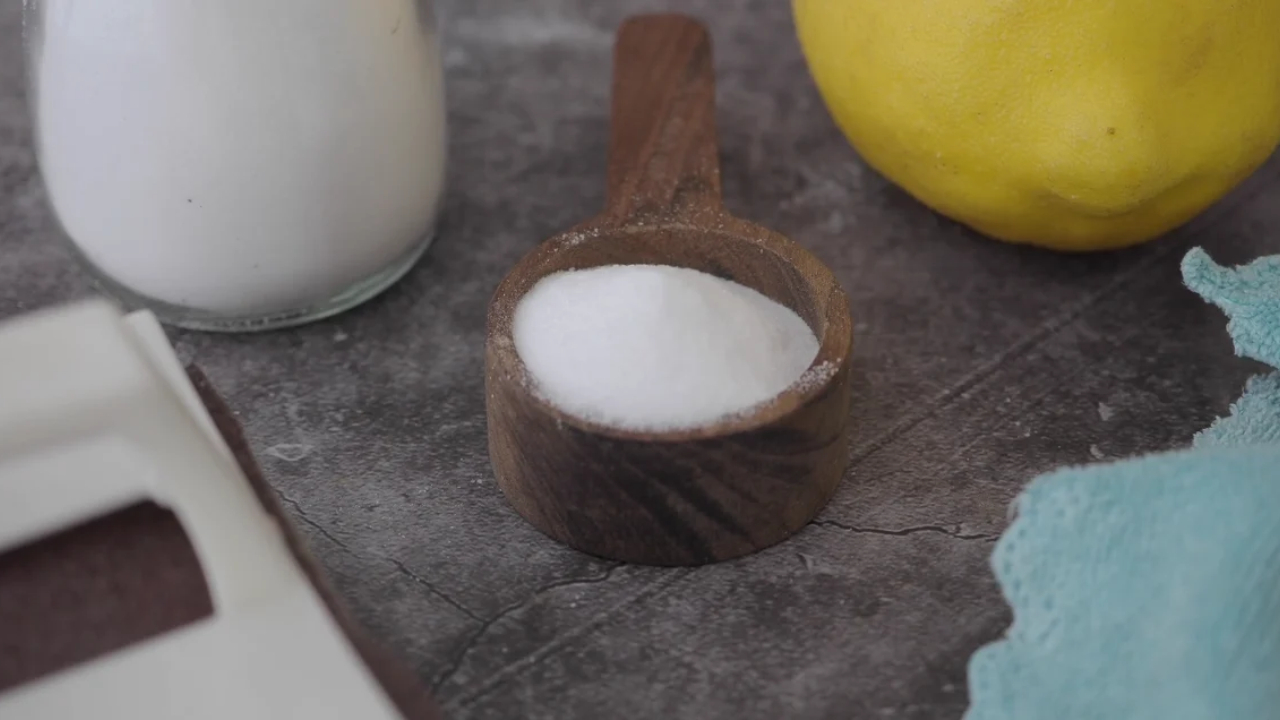
On Saturday mornings in the house where I grew up, my mother sprayed Lemon Pledge on the coffee table before anyone was allowed to watch cartoons. To this day, that hiss and that smell mean one thing to me. The house is clean.
Last month my husband walked into our kitchen, took a deep breath, and announced that it smelled spotless. I had wiped exactly one counter with a lemon spray, and the crumbs under the toaster were still waiting for me.
Lemon smells clean because we were taught that it does. Old household uses, decades of advertising and a few clever experiments explain how it happened.
Lemon Did Real Housework Before It Became a Fragrance
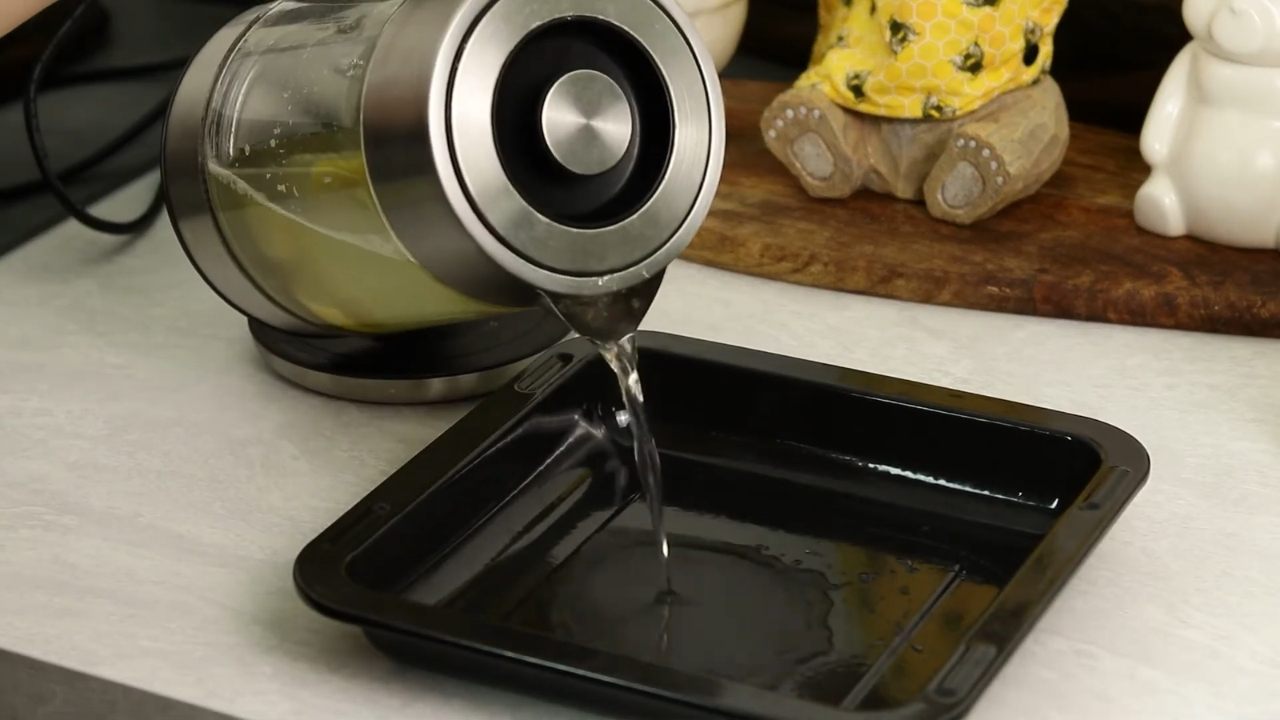
The connection did not start in a marketing meeting. A short explainer from BBC Science Focus points out that lemon juice was once used to remove limescale and polish copper pans, while oil from the peel went into wood polish.
When commercial cleaners came along, manufacturers added lemon oil because people already linked the smell with cleaning.
My mother-in-law still does the copper part. Every Christmas she rubs half a lemon and a spoonful of salt over the bottom of her old copper pot, then waits for me to admire it like a new car.
Lemon juice and lemon scent come from different parts of the fruit. The juice holds citric acid, which dissolves mineral deposits such as limescale. Its smell comes mostly from oil in the peel, the same oil once rubbed into wooden furniture.
Advertising Turned a Useful Fruit Into the Smell of Clean
SC Johnson launched Pledge furniture polish in 1958, backed by the most extensive advertising campaign the company had run up to that point. Lemon versions followed, and Duke University Libraries keeps Lemon Pledge television commercials from the 1960s and 1970s in its advertising archive. By the time I was old enough to dust, lemon was everywhere.
As far as I remember, the cabinet under my mother’s sink held four things.
- Lemon furniture polish, used every Saturday without fail
- Yellow dish soap with a lemon printed on the bottle
- A lemon bathroom spray she bought in a two-pack
- One plain bar of soap my father refused to give up
Cleaning companies have sold us feelings before. In how spring cleaning became an American ritual, I looked at old ads that leaned on fear of disease. Lemon simply leaned on pleasure.
Researchers Found the Smell Changes What We Do
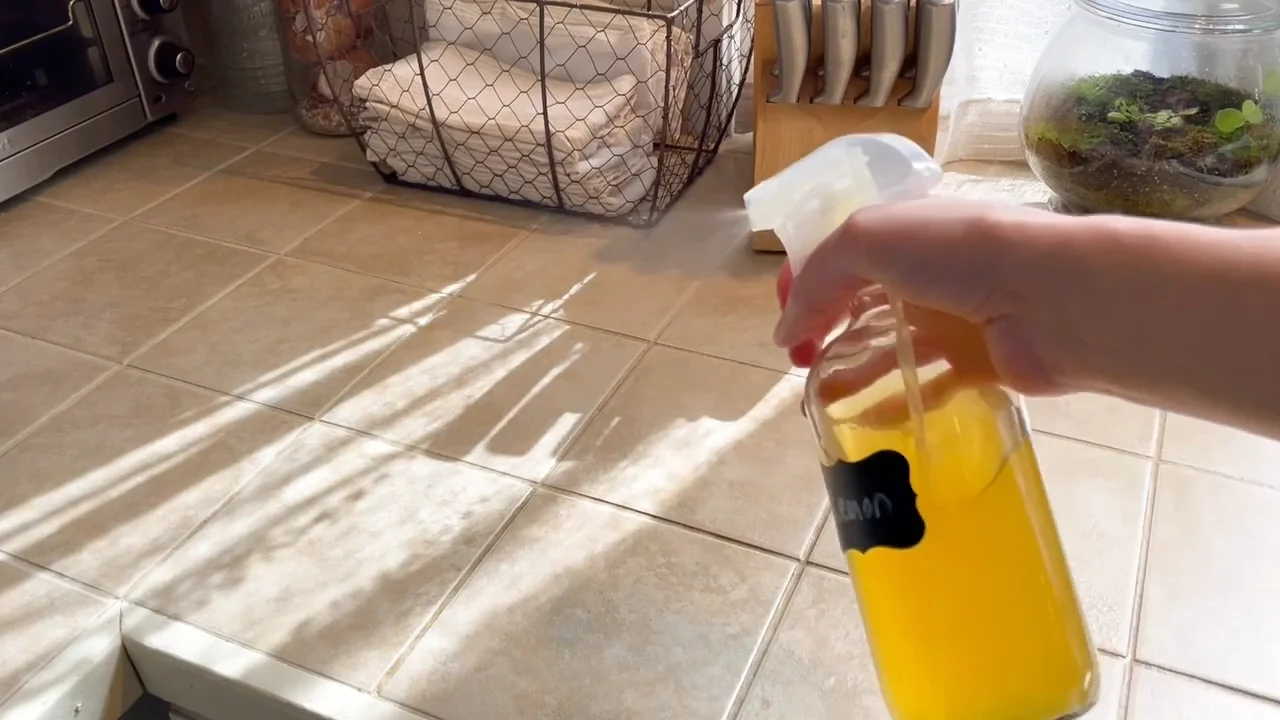
The scent nudges behavior, not just mood. In 2005, Dutch researchers Rob Holland, Merel Hendriks and Henk Aarts published three studies in Psychological Science using a citrus-scented all-purpose cleaner.
People exposed to it recognized cleaning words faster, listed more cleaning plans for their day and kept their table cleaner during an eating task.
Awareness checks suggested participants never realized the smell had influenced them.
Did you know? A later study led by Katie Liljenquist and described in a Brigham Young University news release sprayed citrus Windex in a room. Participants there returned an average of $5.33 out of $12 in a trust game, against $2.81 in an unscented room. The release gave no sample sizes, so I treat the result as interesting rather than settled.
I see a small version of it at home. After one lemon spray on the counter, I suddenly want to sort the mail.
Our Kitchen Table Sniff Test
One rainy Sunday I put four mugs on the kitchen table, each with a cotton pad inside, and asked the family to vote for the cleanest smell. The kids treated it like a game show. My husband treated it like a final exam.
| Mug | What was inside | Family verdict |
| 1 | Lemon dish soap | My husband picked it as the cleanest |
| 2 | Fresh lemon peel | Our son said it smelled like lemonade, not clean |
| 3 | Unscented dish soap | Our daughter picked it because clean smells like nothing |
| 4 | White vinegar | Last place, by a unanimous vote |
Nobody chose the real lemon. The fruit smelled like food, while the dish soap smelled like the idea of clean. As for my daughter, she has clearly been listening to me complain about perfumed laundry, and I am counting that as a parenting win.
What Real Lemon Can and Cannot Clean
View this post on Instagram
Real lemon is not useless. Its abilities are just narrower than its reputation, and the testers behind a 2023 Consumer Reports look at lemon cleaning drew a fairly clear line.
- Lemon with salt or baking soda helps with garlic and onion smells on cutting boards.
- Fresh juice may lift sweat stains from white cotton, never from colors or delicates.
- A bowl of lemon water steamed in the microwave loosens food, though the steam does most of that work.
- Peels left in the fridge can grow mold, and baking soda absorbs odors better.
- Skip lemon juice in the washing machine.
- Do not count on lemon to sanitize a kitchen counter.
The fridge warning made me laugh, because my mother-in-law once found a fuzzy blue peel behind her pickles. My own washer research points the same way, as I found while writing about why a washing machine starts to smell.
A Lemon Smell Can Cover Up a Dirty Kitchen
My real problem with fragrance is simple. A smell tells you a product was used, not that the job was done. The spotless kitchen my husband praised still had crumbs under the toaster and a sticky ring where somebody set down a juice glass.
Lemon can also be hard on things we love. Dealers who replace old china warn against lemon-scented dishwasher detergent because the acid wears down the finish.
That is why the gold-rimmed Thanksgiving plates from my piece on the woman who invented the dishwasher never go near it.
Now I judge clean by touch and sight. I run a hand along the counter and check the corners with a flashlight. Only then do I reach for the lemon spray, and only if company is coming and I want the kitchen to smell nice.
Lemon Scent and the Air in Your House
The lemon smell in many cleaners comes from d-limonene, a citrus compound, and its chemistry keeps going after you put the bottle away. A 2007 report in Environmental Health Perspectives described University of California, Irvine experiments in an office.
Ozone from air purifiers reacted with limonene, and particle counts jumped between 10 and 100 times before settling over the next hour.
The U.S. Environmental Protection Agency does not recommend ozone generators sold as air cleaners and notes that no federal agency has approved them for use in occupied spaces.
We do not own an ozone purifier, and after reading that report, we never will. After a big lemon-scented cleaning session, I crack the kitchen window for about twenty minutes, which also lets the smell fade before dinner.
What the Label Can Tell You Now
A lemon on the front of a bottle describes the smell, not the ingredients. California changed what shoppers can learn with the Cleaning Product Right to Know Act, signed in October 2017.
It required online ingredient disclosure for cleaning products sold in the state from January 1, 2020, and label disclosure from January 1, 2021.
- Fragrance allergens from a European Union list must be named at 0.01 percent (100 ppm) or more.
- Labels must say “Contains fragrance allergen(s)” once that threshold is reached.
- The law covers products sold in California, so a label elsewhere may say less.
Last week my daughter read the back of our lemon dish soap out loud and found the allergen line. She was far more impressed with herself than with the soap, and frankly, so was I.
My Nose Lost Its Vote
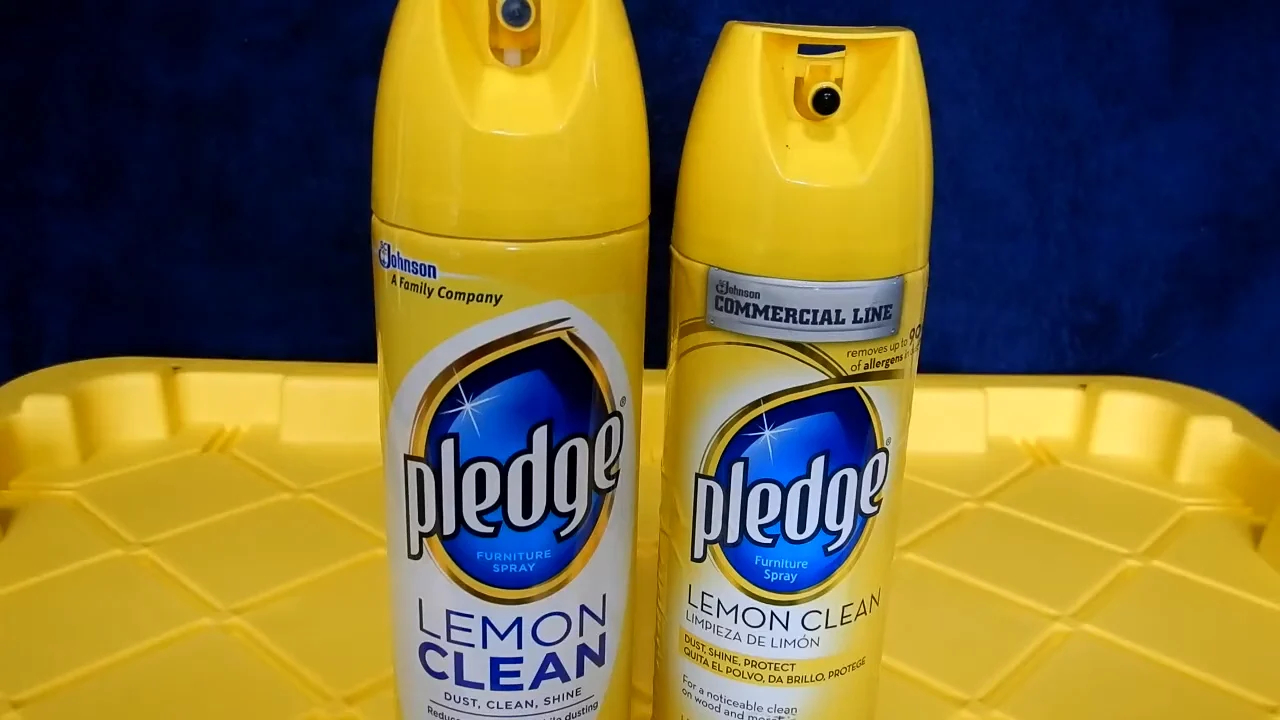
My mother still keeps Lemon Pledge under her sink, and every visit brings back those Saturday mornings. I just no longer let my nose decide whether a room is clean.
In our kitchen, a bowl of real lemons sits beside the sink for the garlic smell on the cutting boards and the occasional microwave steam. The lemon spray comes out after the wiping, never instead of it.
Before company comes this weekend, run your hand along the counter first and look under the toaster. If both pass, the lemon is only a bonus.